0 People Follow
Dinopalooza 2026
Sat, Jun 13 | 10 amThe Field Museum
About
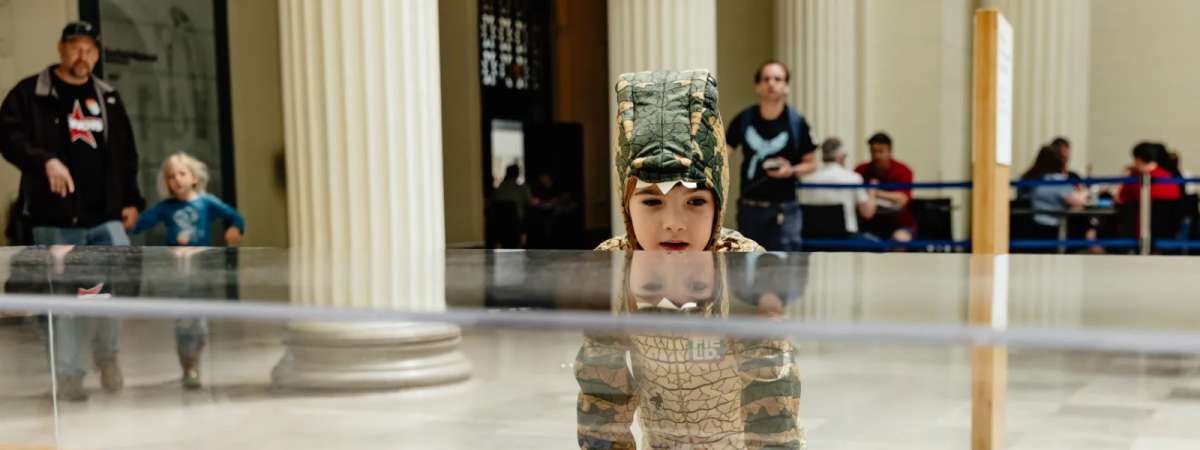
Kick off the summer at the Field Museum! Dinopalooza is back with fossil fun for all ages.
You can find paleo-art, hands-on activities, scavenger hunts for our younger scientists in training – and a whole new lineup of research lectures for paleo super fans. Starting May 18th, sign up for the Dino Derby, where the winning inflatable dinosaur will win a cash prize. Don’t forget to sign up your kids, too, for their chance to win a dino-mite prize!
Join us on Saturday, June 13, from 10am - 2pm. We’ll see you there for a roaring good time!
Timed Programs
Children’s and Adult Dino Derby
10am | North Lawn
Come out on the museum’s north lawn to see which inflatable dino reigns supreme!
Evolving Field: 130 years of fossil exhibits at the Field Museum
11am - 11:30am | Rice Gallery
Paleontology displays have been part of the Field Museum since it first opened in 1894, and they’ve evolved ever since—keeping pace with new scientific discoveries and changing expectations for how science is communicated to the public. Find out which specimens still on display were part of the Chicago World's Fair, which dinosaur skeleton stood half-finished for 50 years, which skeletons have been remounted and reposed, and whatever happened to the rideable trilobite.
After, join us on an accompanying tour to see the specimens in real life! Meet at noon near the Elephants in Stanley Field Hall to join the tour.
Hunting From the Skies: Biomechanics of Ancient Birds of Prey
12pm-12:30pm | Rice Gallery
The Hell Creek formation is famous for producing Tyrannosaurus rex – the tyrant that ruled the land 66 million years ago. However, new fossils of some rather large birds, known as avisaurids, reveal that the skies were also a place to fear. Join us as we explore how the functional morphology of avisaurid leg bones indicates a more biomechanically efficient lever system for the animals. This is the same mechanism that allows modern birds of prey to lift proportionally heavier prey - likely included small mammals, and potentially hatchling dinosaurs.
Ancient Illinois Fossils Reveal Early Origins of Modern Amphibians
1pm-1:30pm | Rice Gallery
An hour south of Chicago lies Mazon Creek - an ancient river bed that has become one of the most prolific sources of Carboniferous fossils in the world. Scientists that study the 300-million-year-old amphibian fossils from Mazon Creek discovered that a collection of animals once thought to be a single species were actually several different kinds of early amphibian relatives. Some of them even already had body shapes and features similar to modern frogs and salamanders. Together we’ll talk about how modern amphibians evolved and how the Mazon Creek specimens are showing us they did it faster and earlier than previously believed.
You can find paleo-art, hands-on activities, scavenger hunts for our younger scientists in training – and a whole new lineup of research lectures for paleo super fans. Starting May 18th, sign up for the Dino Derby, where the winning inflatable dinosaur will win a cash prize. Don’t forget to sign up your kids, too, for their chance to win a dino-mite prize!
Join us on Saturday, June 13, from 10am - 2pm. We’ll see you there for a roaring good time!
Timed Programs
Children’s and Adult Dino Derby
10am | North Lawn
Come out on the museum’s north lawn to see which inflatable dino reigns supreme!
Evolving Field: 130 years of fossil exhibits at the Field Museum
11am - 11:30am | Rice Gallery
Paleontology displays have been part of the Field Museum since it first opened in 1894, and they’ve evolved ever since—keeping pace with new scientific discoveries and changing expectations for how science is communicated to the public. Find out which specimens still on display were part of the Chicago World's Fair, which dinosaur skeleton stood half-finished for 50 years, which skeletons have been remounted and reposed, and whatever happened to the rideable trilobite.
After, join us on an accompanying tour to see the specimens in real life! Meet at noon near the Elephants in Stanley Field Hall to join the tour.
Hunting From the Skies: Biomechanics of Ancient Birds of Prey
12pm-12:30pm | Rice Gallery
The Hell Creek formation is famous for producing Tyrannosaurus rex – the tyrant that ruled the land 66 million years ago. However, new fossils of some rather large birds, known as avisaurids, reveal that the skies were also a place to fear. Join us as we explore how the functional morphology of avisaurid leg bones indicates a more biomechanically efficient lever system for the animals. This is the same mechanism that allows modern birds of prey to lift proportionally heavier prey - likely included small mammals, and potentially hatchling dinosaurs.
Ancient Illinois Fossils Reveal Early Origins of Modern Amphibians
1pm-1:30pm | Rice Gallery
An hour south of Chicago lies Mazon Creek - an ancient river bed that has become one of the most prolific sources of Carboniferous fossils in the world. Scientists that study the 300-million-year-old amphibian fossils from Mazon Creek discovered that a collection of animals once thought to be a single species were actually several different kinds of early amphibian relatives. Some of them even already had body shapes and features similar to modern frogs and salamanders. Together we’ll talk about how modern amphibians evolved and how the Mazon Creek specimens are showing us they did it faster and earlier than previously believed.

The Field Museum
1400 S Lake Shore Drive